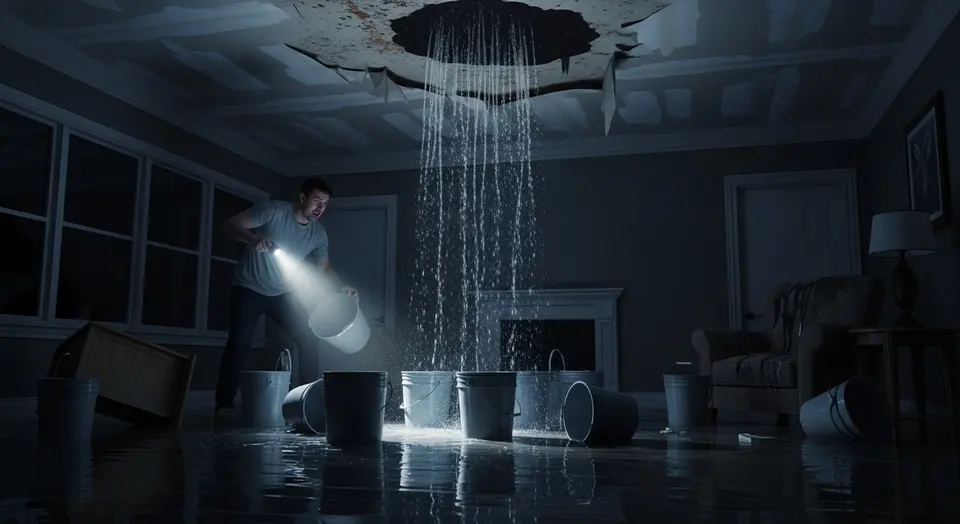
Renters face extra confusion when water damage strikes — who pays, who calls, who fixes? Learn what to do in the first hour and how 24/7 water cleanup in Austin, TX helps protect your belongings.
Water in the wrong place can flip a normal day into total chaos. For renters, that chaos often comes with extra stress, confusion about who is responsible, and worry about personal belongings. Having a simple plan for water cleanup in Austin, TX helps you move from panic to action fast.
Here in Central Texas, heavy spring storms, clogged drains, and sudden plumbing issues can send water into apartments and rental homes without warning. We will walk through why renters need a plan, common water risks, what to do in the first hour, how to prepare ahead of time, and how to protect both your health and your home after things dry out.
Why Austin Renters Need an Emergency Water Plan
Many renters come home after work or a weekend away to find soaked carpets, dripping ceilings, or water all over the bathroom floor. It is stressful. Loud fans are running, there is a strange smell, and it is not always clear who should fix what. Water damage can feel extra hard for renters because:
- You do not own the building, but your things are at risk
- Leases can be confusing about who pays for what
- You might not know if you should call your landlord, maintenance, or insurance first
A simple plan helps you stay safe in the first few minutes, act quickly in the first hour, protect your belongings and your wallet, and work smoothly with your landlord, insurance, and restoration pros.
Top Water Damage Risks Austin Renters Overlook
Many rental homes and apartments around Austin hide water risks that renters do not think about until it is too late. Common building problems include:
- Aging or poorly maintained plumbing in older units
- Upstairs neighbors with overflowing tubs, leaking showers, or broken washers
- HVAC drain line clogs and water heater failures in closets or utility rooms
Seasonal and Weather Issues
Weather problems are also common, especially in spring:
- Heavy storms that lead to roof leaks and ceiling stains
- Wind-driven rain getting in around windows, patios, and sliding doors
- Gutters and downspouts spilling over and sending water into lower units
Slow, Hidden Leaks
- Tiny drips under sinks, behind washers, or around toilets
- Cracked or missing caulk in tubs and showers that lets water into walls
- Damp spots that never fully dry, which can lead to mold and larger repairs
When renters ignore these signs, small problems can grow into bigger messes that need professional extraction, drying, and repair.
Your First-Hour Response to Water Emergencies
The first hour after you find water is when your choices make the biggest difference. Staying calm and following a simple list helps. Start with safety:
- If you see outlets, cords, or power strips in standing water, stay back and keep others away
- Do not step into deep or dirty water, especially if you cannot see the floor
- If you can safely reach it, shut off the water valve to the leaking toilet, sink, or appliance
If you are unsure about the water source or any electrical risk, it is better to back away and wait for maintenance or emergency services. Call 911 if there is any danger to life, fire risk, or a ceiling that looks like it might collapse.
Quick Steps Before You Call
Before you call for water cleanup in Austin, TX, do a few quick steps:
- Take photos and short videos of the water source, the spread, and your wet items
- Move valuables, electronics, rugs, shoes, books, and clothes to a dry area
- Use towels, buckets, and plastic sheeting or trash bags to slow the spread if it is safe
Who to Call, in Order
- Your on-site property management office or emergency maintenance line
- Your renters insurance company so they can start a claim
- A local 24/7 water damage restoration company for fast extraction and drying
Building a Renter-Friendly Water Emergency Kit
A small water emergency kit can turn a big mess into a smaller one. You do not need anything fancy, just a few smart items kept in a place. Helpful low-cost supplies include:
- Absorbent towels and a mop that you only use for emergencies
- Plastic bins or under-bed containers for documents and keepsakes
- Heavy-duty trash bags and contractor bags
- Basic protective gear like gloves and simple masks
Smart Storage and Digital Prep
- Keep documents, backup drives, and passports in waterproof folders and off the floor
- Make one easy-to-grab bin labeled for water emergencies in a closet or laundry area
- Print a contact list with your landlord, maintenance, insurance, and local water cleanup company
- Store photos, work files, and scans of your lease and insurance in secure cloud storage
- Learn your insurance deductible and what types of water events are covered
- Take simple photos of major belongings like furniture and electronics for easier claims later
Working with Your Landlord, Insurance, and Pros
Knowing who is usually responsible for what can lower the stress after water damage. While every lease is different, in many rentals:
- Landlords handle the structure, walls, floors, ceilings, and building systems
- Renters handle personal belongings, temporary housing, and damage caused by clear negligence
- Lease terms and local rules help decide who covers which repairs
Renters insurance can help with many types of water damage, but it usually treats sudden water issues differently from flooding coming from outside. Read your policy so you are not surprised later.
Make Insurance Claims Smoother
- Report water damage to your insurance as soon as you can
- Share photos, videos, and any written notes from your landlord or maintenance
- Be honest and clear during adjuster visits, and keep copies of all paperwork
Protecting Your Health and Home After the Water Dries
Once the water seems gone, renters often feel tempted to forget the whole thing. But the days and weeks after matter just as much. Mold can start growing quickly in damp materials, especially in the warm, humid air. Watch for:
- Musty or earthy smells that will not go away
- Spots or discoloration on walls, ceilings, or baseboards
- Allergy-like symptoms that seem worse inside your home
If you notice any of these signs, it may be time to ask for a professional mold inspection and, if needed, remediation. Proper drying usually takes more than a few fans and open windows — pros use moisture meters, dehumidifiers, and ongoing checks to know when things are truly dry.
When water hits your property, every minute counts, and our team at Austin TX Water Damage is ready to respond 24/7. We can assess the damage, remove standing water, and start drying your home right away. Call (512) 222-8357 now so we can help you prevent further damage and restore your space safely.
Call (512) 222-8357A certified water damage restoration professional at Austin TX Water Damage, serving Central Texas homeowners and businesses with expert restoration services.
24/7 Emergency Service
Water damage emergency? We respond in 60 minutes, any time of day or night.
(512) 222-8357