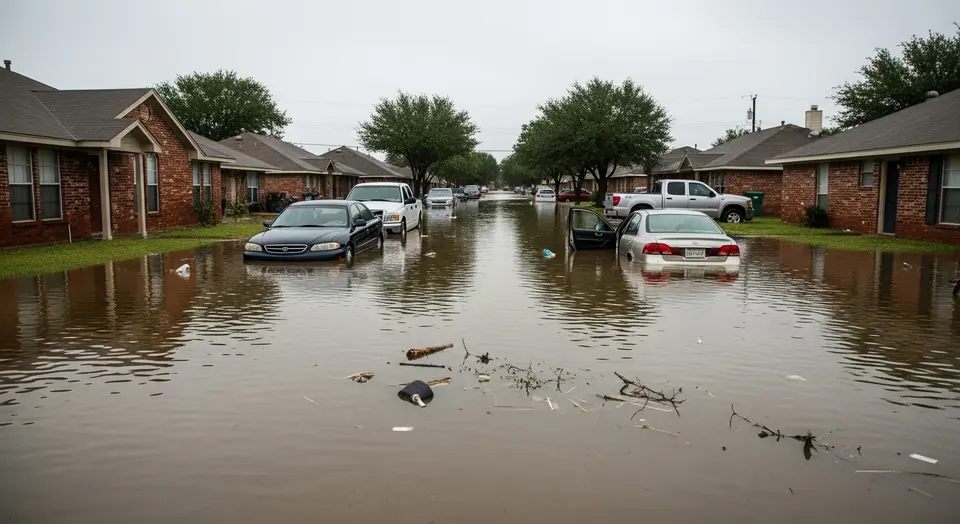
When storms race across the Hill Country, water can hit hard and spread fast. Learn how flood cleanup in Austin, TX protects your home with rapid extraction, drying, and insurance support.
Flood cleanup in Austin, TX, is not like dealing with a slow, gentle rise of water. Here, water can move fast, hit hard, and leave a mess that gets worse by the hour. When storms roll across the Hill Country and into the city, water races down slopes and into creeks, streets, and low spots in very little time.
Our area has a mix of steep hills, rocky ground, and lots of new pavement and roofs. During strong spring storms, especially from March through May, heavy rain can run off instead of soaking in. That is why low-lying homes, creekside areas, and busy intersections can flood with only a short warning.
Why Flood Cleanup in Austin, TX Is Different
In those first 24 to 48 hours, a lot is at stake for homeowners and property managers. Quick action can make the difference between:
- Drying and saving parts of the home
- Having to tear out walls and floors
- A clean, safe space or a long mold problem
- A smooth insurance claim or a stressful one
When water sits, it seeps deeper into building materials, raises humidity, and gives mold a head start. Fast, professional flood cleanup in Austin, TX is about protecting the building and your health, not just getting rid of puddles.
How Austin's Flash-Flood Zones Put Homes at Risk
Certain parts of Austin are more likely to flood again and again. If your home or rental is in one of these spots, you know how fast a hard rain can change the day. Common higher-risk areas often include:
- Neighborhoods along creeks and greenbelts
- Homes near low-water crossings
- Older areas with limited drainage
- Newer subdivisions with lots of concrete and not enough runoff planning
Common Water Problems in High-Risk Areas
Owners in these spots can see different types of water problems, such as:
- Creek overflow, when rising water spills the banks and moves into yards and homes
- Street flooding, when storm drains cannot keep up and water backs toward garages and doors
- Foundation seepage, where water pushes through small gaps and cracks at the slab or crawlspace
- Overwhelmed roofs and gutters, sending water down walls and into ceilings
Early April is a smart time to think about these risks. Spring storms, slow-moving systems, and repeated rainy days can add up. Taking time now to check where water might flow, how it leaves your property, and what sits close to the floor can help before peak storm season hits.
First 24 Hours After a Flood: What to Do and Avoid
Once water comes inside, safety has to come first. Even if you feel pressure to clean up right away, it is important to move carefully and protect everyone in the home. When it is safe and you have checked from a distance, basic safety steps include:
- Avoid walking in standing water if you see outlets, cords, or appliances nearby
- Do not touch electrical panels, switches, or breakers with wet hands
- Stay away from rooms that look warped, sagging, or unstable
Helpful Steps Before Help Arrives
If the area seems safe and you are able to enter, there are a few helpful steps you can take before professional help arrives:
- Take photos and short videos of each affected room and item
- Move dry belongings out of wet rooms to a higher, safe area
- If the air outside is drier than inside, open windows and doors to let moisture escape
Common Mistakes That Make Things Worse
- Waiting days for water to "dry on its own" instead of getting extraction and drying started
- Using a household vacuum or shop vac on floodwater that may be dirty or deeper than it looks
- Tearing out carpet, baseboards, or drywall before they are documented for insurance
- Throwing away damaged items too quickly, before an adjuster can review them
Taking simple, calm steps in that first day, then bringing in trained help, is usually the safest path.
Professional Flood Cleanup in Austin, TX Step by Step
When our team arrives, time matters, but so does a clear plan. We start by checking the affected areas, measuring moisture, and deciding what type of water we are dealing with. Water from a burst supply line is very different from water that rose from streets or creeks. A typical professional process includes:
- Emergency water extraction using powerful equipment
- Removal of materials that cannot be safely dried, such as soaked padding or badly damaged drywall
- Antimicrobial treatments in affected areas, especially with dirty or gray water
- Setting up industrial dehumidifiers and air movers to pull moisture from the building
As an IICRC-certified restoration company, we follow industry standards designed to protect both the structure and the people inside. Austin homes bring their own details — slab foundations, pier-and-beam crawlspaces, and complex HVAC systems in a humid climate — and each needs special care so hidden pockets of moisture are not left behind.
Mold, Contamination, and Hidden Damage After Floods
In our warm, humid climate, mold does not take long to appear once materials stay wet. When walls, flooring, and framing hold moisture, mold can begin to grow within a short window, often in places you cannot see. Floodwater, especially from streets or creeks, can also carry:
- Bacteria and other microorganisms
- Oils and chemicals from roads and yards
- Debris from outside surfaces
- Strong, lingering odors
Tools Used to Find Hidden Moisture
These issues can be harder on kids, older adults, and anyone with breathing problems. To find problems that are not obvious, professionals rely on tools and training, including:
- Thermal imaging to look for cool, damp areas behind surfaces
- Moisture meters for walls, floors, cabinets, and trim
- Inspection of wall cavities, insulation, subfloors, and crawlspaces
- Checks of HVAC systems and ductwork that may have pulled in humid or dirty air
Catching hidden moisture early helps prevent warped flooring, peeling paint, staining, and long-term odor and air quality issues.
Working With Insurance on Austin Flood Claims
Floods can be stressful enough without the claim process. One key point many owners discover too late is that typical homeowner policies often treat water damage and flooding differently. Rising water from outside can be handled under separate flood coverage, while other types of sudden water damage may fall under the main policy. No matter what type of coverage you have, strong documentation is your best friend:
- Start the claim as soon as possible
- Keep a simple loss journal of dates, times, and conversations
- Save receipts for temporary housing, cleanup supplies, and emergency work
At Austin TX Water Damage, we work directly with insurance carriers by providing detailed estimates, photos, and moisture records. Being firm about the need for complete drying and cleanup, not just basic water removal, helps protect your property in the long run.
Be Ready Before the Next Storm Hits Austin
The best time to think about flood cleanup is before you need it. A simple walk around your property can reveal a lot about how water behaves on your lot and around your home. Helpful preparation steps can include:
- Watching how water flows during a normal rain and noting problem spots
- Checking that gutters, downspouts, and drains are clear and pointed away from the foundation
- Moving important items, papers, and electronics off the floor or to higher levels
- Keeping an updated list of emergency contacts, including a trusted restoration company
Build a Simple Household Response Plan
Decide in advance who will:
- Shut off power or water if it is safe
- Move vehicles and outdoor items to higher ground
- Protect key documents and important belongings
- Call for professional help when flooding starts
When water hits your home or business, every minute counts, and our team at Austin TX Water Damage is ready to respond fast. Our professional flood cleanup services can limit damage, protect your belongings, and get you back to normal sooner. Call (512) 222-8357 today — we respond in 60 minutes or less, 24/7.
Call (512) 222-8357A certified water damage restoration professional at Austin TX Water Damage, serving Central Texas homeowners and businesses with expert restoration services.
24/7 Emergency Service
Water damage emergency? We respond in 60 minutes, any time of day or night.
(512) 222-8357